Tree Pruning & Crown Shaping Without Compromising Tree Structure
Tree pruning looks simple from the ground. A few crowded limbs come out, the canopy appears lighter, and the yard immediately feels neater. That surface impression is exactly why so many trees are damaged by well-meaning work. Good pruning is not just about appearance. It is about guiding form, managing load, preserving structural integrity, and reducing avoidable risk without stripping the tree of the parts it needs to function.
That balance matters most when people ask for Tree Pruning & Crown Shaping on mature trees. A young ornamental can often recover from a poor cut more readily than a large, established tree that already carries weight, past wounds, and exposure to wind. Once a major limb is removed incorrectly, you cannot put it back. The tree has to live with that decision for decades.
In practice, the best pruning jobs are often the least dramatic. The tree still looks like itself. Its natural architecture remains intact. The canopy is cleaner, better distributed, and more stable, but it does not look hollowed out or butchered. That outcome takes judgment, not just tools.
What “structure” really means in a tree
When professionals talk about preserving tree structure, they are not using a vague aesthetic term. Structure is the framework that allows a tree to support its own weight, absorb wind, add annual growth, and compartmentalize injury over time. Branch spacing, attachment points, the relationship between the trunk and scaffold limbs, and the distribution of foliage all affect that framework.
A healthy structure usually comes from gradual development rather than aggressive correction. Trees are built by annual growth rings, not by quick fixes. Pruning can influence that development, but it cannot override biology. That is why competent crown shaping aims to work with the existing form instead of forcing a tree into a design that suits a momentary preference.
The most common structural mistakes happen when appearance drives the work. Homeowners often ask for a tree to be “thinned out a lot,” “rounded off,” or “cut back hard so it stays small.” Those requests may sound practical, but they can push the work toward improper cuts, over-removal, or topping. ISA guidance is clear that techniques such as topping and stub cuts are improper. They solve a visual problem in the short term and create structural and maintenance problems later.
A properly shaped crown should still reflect the species’ natural habit, even when it has been reduced, raised, or directed away from a target. If the finished tree looks unnaturally flattened, lion-tailed, or stripped to large framework limbs, structure has probably been compromised.
Crown shaping is not the same thing as cutting everything back
This distinction gets lost all the time. Crown shaping is selective. It involves deciding which branches to shorten, which to remove, and which to leave so that the canopy remains balanced and the branch architecture stays defensible. The work may include crown reduction, crown raising, or directional pruning, depending on the tree’s condition and the site constraints.
Crown reduction, when done correctly, is not just lopping branch ends to an arbitrary line. Reduction needs to follow the existing branch system. The goal is to shorten where necessary while preserving a natural leader and a branch hierarchy that can continue to carry load. A tree that has been “hat-racked” may be smaller, but it is not better structured.
Crown raising also requires restraint. Lifting low branches can improve access over walkways, driveways, or lawns, but overdoing it leaves a top-heavy tree with a long bare after storm tree service trunk and a smaller area of foliage to dampen movement. In exposed sites, that imbalance can become obvious during wind events. From the ground, the owner sees more clearance. From the tree’s perspective, the lower support system has been taken away.
Directional pruning is one of the most useful and least appreciated tools in structural preservation. If a branch needs to be guided away from a roofline, utility conflict, or traffic corridor, the answer is often to shorten it back to a suitable lateral rather than remove an entire major limb. That approach can preserve canopy function and reduce future conflict at the same time.
The cut matters as much as the branch choice
Even when the right branch is selected, poor execution can undermine the benefit. Proper branch removal and reduction cuts matter because they affect how the tree responds after the work is done. Stub cuts are a classic example of bad practice. Leaving a long stub does not protect the tree. It leaves tissue that the tree cannot integrate into a sound branch system and can interfere with the way it responds to the wound.
The opposite mistake, cutting too far into the trunk or parent limb, is just as damaging. Pruning is surgery in the loosest sense of the word. Precision counts. A clean cut in the right location gives the tree its best chance to respond appropriately. An imprecise cut can expand the zone of injury.
That is one reason large-tree pruning should not be treated as casual yard work. ISA makes the point directly that pruning or removing trees, especially large trees, can be dangerous work and should be done only by people trained and equipped to work safely in trees. Safety is the obvious reason, but there is also a quality reason. A climber or crew member who understands branch union strength, reduction points, and load management is making better structural decisions from the canopy than someone cutting by eye from a ladder.
Why over-pruning often creates the very risk people wanted to avoid
A lot of pruning requests come from understandable anxiety. A homeowner sees branches over a driveway after a storm and wants the tree “made safer.” A property manager wants every canopy opened up before the next windy season. The impulse is reasonable, but safety is not the same thing as maximum wood removal.
Tree risk assessment, as described in ISA guidance, is a systematic process used to identify, analyze, and evaluate risk, then Tree Pruning & Crown Shaping recommend measures to achieve an acceptable level of risk. That wording matters. The goal is not a fantasy of zero risk. ISA is equally clear that there is no completely safe tree, and some level of risk must be accepted. Good arboriculture reduces unnecessary risk without unnecessary intervention.
I have seen mature trees pruned so aggressively after one bad weather event that the follow-up problem was worse than the original concern. The canopy was thinned beyond reason, the branch ends were left exposed, and the tree responded with a flush of poorly positioned regrowth. Two or three seasons later, the owner had more maintenance, more weakly attached growth, and a tree that looked stressed. The first job felt decisive. The second job was predictable.
When a tree truly presents unacceptable risk, pruning may not be enough. That is where Dangerous Tree Assessment and Removal becomes a different conversation from maintenance pruning. A systematic evaluation may point toward mitigation through selective reduction, structural support, or target management. It may also point toward removal. The important thing is that the recommendation follows the condition and context of the tree, not a one-size-fits-all rule.
When support systems make more sense than more cutting
Not every structural issue should be solved with a saw. Some trees benefit from Tree Cable and Bracing, especially when the goal is to reduce the likelihood of failure in a valued tree without sacrificing major limbs that still contribute heavily to its form and function.
Support systems are not cosmetic accessories. They are structural interventions and need the same level of judgment as pruning. In the right situation, they can complement crown shaping by reducing movement or redistributing load while allowing the tree to retain a more natural canopy. In the wrong situation, they become a way of delaying a necessary decision or masking a problem that has already advanced too far.
This is where Certified Arborist Consultation is valuable. ISA Certified Arborists are trained in the art and science of tree care, must pass a comprehensive exam, continue their education, and follow a code of ethics. That matters because support systems, reduction pruning, and removal decisions all involve trade-offs. The ethics piece is easy to overlook, but it is important. Tree care recommendations affect safety, cost, and the long-term life of a tree. You want advice from someone whose job is not simply to cut the most wood possible.
A careful consultant will also recognize when structural support is not the answer. If the root environment is failing, if decay has critically changed the load path, or if target exposure is too high, a cable does not make the problem disappear. Preserving structure is worthwhile only when the tree still has a structure worth preserving.
Large pruning jobs often overlap with removal work
The line between preservation pruning and removal planning is thinner than many clients expect. Sometimes the discussion begins with shaping a crown and ends with a decision about Tree Removal Services. That shift is not a failure of pruning. It is the result of seeing the whole tree clearly.
Once a large canopy has major defects or site conflicts, the options usually narrow. Selective pruning may buy time or reduce specific hazards, but it cannot rebuild a compromised trunk or reverse extensive structural weakness. In those cases, removal can be the more responsible choice, especially where the targets are significant.
Tree Removal Services also require the same professionalism that good pruning demands. Controlled lowering of limbs, rigging, and work planning are part of responsible arboriculture. Removing a large tree in sections without damaging surrounding property or remaining landscape is highly skilled work, not brute force. If a removal leaves behind a dangerous snagged limb, torn bark on neighboring trees, or a deeply rutted site, something has gone wrong in the operation.
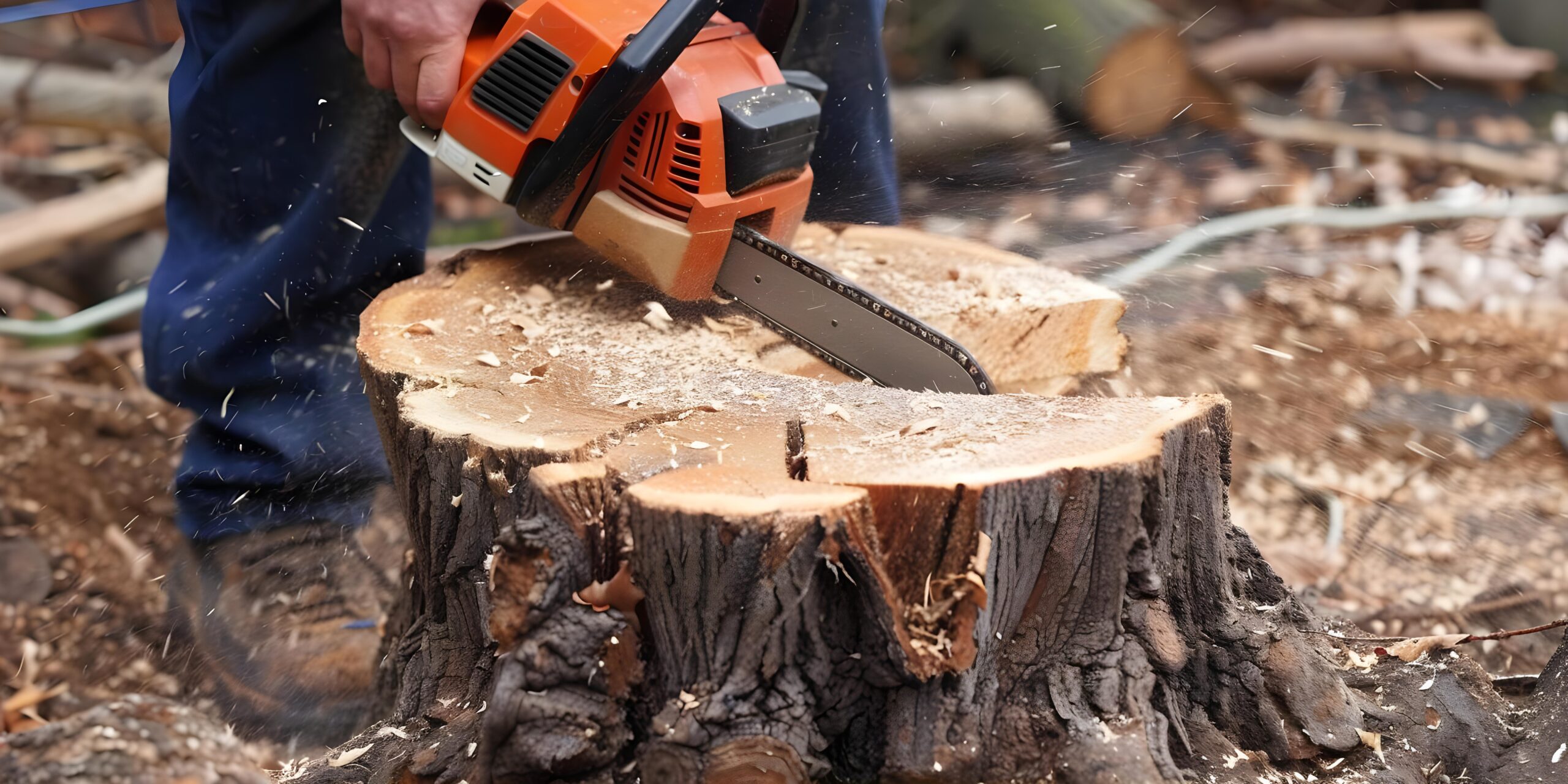
After removal, Stump Removal & Grinding often becomes the next practical issue. It is not directly part of crown shaping, but it belongs in the broader discussion of site recovery and future planting options. Whether the stump is left, ground, or otherwise addressed depends on the owner’s goals, access, and intended use of the space. What matters in professional practice is that pruning and removal decisions connect logically to the next step for the property, rather than being treated as isolated tasks.
Emergency work is where structure is tested most honestly
Nothing reveals the consequences of old pruning decisions like a storm call. Emergency Tree Services are not tidy jobs. They involve split leaders, hanging branches, partially failed crowns, and urgent target concerns. When you see enough post-storm trees, patterns stand out.
Trees that were topped in the past often fail in ways that are depressingly familiar. Trees with poorly distributed end weight over targets show their weak points quickly. Trees that had sensible crown reduction, directional pruning, or support systems in the right places often fare better, not because they are invincible, but because their architecture was respected.
Emergency response also teaches humility. Not every failed tree was neglected. Not every intact tree was expertly maintained. Weather is not a controlled environment, and ISA’s point about residual risk is worth remembering. A responsible arborist does not promise absolute safety. What the profession can offer is informed reduction of risk, safe work practices, and recommendations grounded in observable conditions.
Emergency pruning after damage should also resist the urge for indiscriminate cleanup. The fastest cut is not always the right cut. Stabilizing the site, removing immediate hazards, and then reassessing the remaining structure usually produces better outcomes than turning a damaged tree into a smaller damaged tree. Some canopies can be restored over time. Others have crossed into dangerous-tree territory and need removal. Judgment under pressure is part of the craft.
Fire exposure changes the pruning conversation
In fire-prone regions, FireSmart Tree Services add another layer to crown management. The same tree cannot be assessed only for shape, shade, or wind load if wildfire exposure is part of the site reality. Crown spacing, lower branch management, and vegetation arrangement around structures all matter in a different way when ember movement and fire behavior are concerns.
That does not mean every tree should be stripped up or heavily reduced. Over-pruning in the name of fire readiness can still compromise structure and vigor. The better approach is measured intervention based on the setting. A tree near a structure may need thoughtful crown raising or selective branch management, while a tree in another location may contribute little to the structure’s fire exposure and can remain largely unchanged.
This is one of those situations where broad advice often goes wrong. Fire-related pruning should still preserve defensible branch architecture. The objective is risk reduction, not random canopy removal. A tree that survives wind well but has been badly altered for “clearance” can become a maintenance liability long before any fire arrives.
How good arborists think before they cut
The best pruning crews usually spend more time looking than clients expect. That pause is not inefficiency. It is where the real work begins. Before a cut is made, a professional is reading branch attachments, identifying likely reduction points, considering load paths, noticing prior wounds, and evaluating what the tree needs versus what the client wants.
This is also where communication matters. A client may ask for “more light” or “less risk,” but those goals can be met in different ways. One tree may need modest end-weight reduction on a few overextended limbs. Another may benefit from directional pruning away from a roof corner. Another may need formal risk assessment because the visible issue is not the branch itself but the supporting structure.
A useful consultation usually includes plain-language explanation. If a major limb should stay, the arborist should be able to explain why. If the requested cut would create a stub or distort the crown, that should be said clearly. If the tree is moving from routine maintenance into Dangerous Tree Assessment and Removal territory, the owner should understand the reason without sales pressure.
That is where Certified Arborist Consultation earns its value. The service is not just an inspection. It is informed decision-making that links tree biology, site use, risk tolerance, and practical work methods.
What property owners should expect from a responsible pruning plan
A sound pruning plan is rarely flashy. It should feel coherent. The recommended work should match the condition of the tree and the use of the site. If shaping is the goal, the arborist should be able to describe how the crown will be improved without gutting it. If safety is the concern, the explanation should distinguish between manageable defects and conditions that justify heavier intervention.
Owners should also expect honesty about limits. Pruning can improve structure, reduce conflict, and lower some forms of risk. It cannot make a poor tree perfect, and it cannot erase every hazard from a living organism exposed to weather. Where removal is warranted, that should be said. Where a valued tree can be retained through moderate Tree Pruning & Crown Shaping, possible Tree Cable and Bracing, or periodic monitoring, that should be said too.
The quality of tree care often shows up years later. A careless pruning job may look acceptable for a month. A thoughtful one continues to make sense after seasons of growth, storms, and routine use of the site. Branches remain proportionate. The canopy fills naturally. Future maintenance stays manageable. The tree still has dignity.
That is the standard worth aiming for. Not a tree shaved into submission, and not a tree left untouched out of fear of doing harm, but a tree managed with enough skill to improve its form while respecting the structure that keeps it standing.
Name: Ace Tree Services Ltd.
Address: 4656 Wallace Hill Road, Kelowna, BC
Phone: 250-212-9593
Website: https://acetree.ca/
Hours:
Monday: 7:00 AM–5:00 PM
Tuesday: 7:00 AM–5:00 PM
Wednesday: 7:00 AM–5:00 PM
Thursday: 7:00 AM–5:00 PM
Friday: 7:00 AM–5:00 PM
Saturday: 7:00 AM–5:00 PM
Sunday: Closed
Emergency tree services: 24/7 emergency service is listed.
Open-location code / Plus code: RHF8+8G Kelowna, British Columbia, Canada
Map/listing URL: https://www.google.com/maps/place/Ace+Tree+Services+Ltd./@49.8232606,-119.4337283,563m/data=!3m1!1e3!4m6!3m5!1s0x537d8b1d074815c5:0x450b88afa7a41435!8m2!3d49.8232606!4d-119.4337283!16s%2Fg%2F11ydkpnh22
Embed iframe:
Socials: https://www.facebook.com/people/Ace-Tree-Services/61585901931447/
https://m.yelp.com/biz/ace-tree-services-kelowna
Ace Tree Services Ltd. provides professional tree service for residential, commercial, and municipal customers in Kelowna and across the Okanagan Valley.
The company’s listed services include tree removal, stump removal and grinding, tree pruning and crown shaping, emergency tree services, certified arborist consultation, dangerous tree assessment, tree cable and bracing, and wildfire mitigation.
Ace Tree Services works with homeowners, businesses, property managers, and public-sector clients that need safe, practical tree care in the Kelowna area.
The official site highlights ISA-certified arborists, insurance, and experience handling both routine and complex tree service situations.
Customers can contact Ace Tree Services for tree care planning, hazard concerns, emergency tree cleanup, pruning needs, stump grinding, or advice about trees near homes, fences, driveways, and landscaping.
Ace Tree Services lists regular work hours from 7:00 AM to 5:00 PM Monday through Friday, with 24/7 emergency tree service available for urgent situations.
For tree service in Kelowna, call 250-212-9593 or visit https://acetree.ca/
The public map listing places Ace Tree Services Ltd. in Kelowna and can help customers find directions to the Wallace Hill Road area.
Popular Questions About Ace Tree Services Ltd.
What services does Ace Tree Services Ltd. provide?
Ace Tree Services Ltd. provides tree removal, stump removal and grinding, tree pruning and crown shaping, emergency tree services, certified arborist consultation, dangerous tree assessment and removal, tree cable and bracing, and wildfire mitigation.
Where is Ace Tree Services Ltd. located?
The official website lists Ace Tree Services Ltd. at 4656 Wallace Hill Road, Kelowna, BC.
What areas does Ace Tree Services Ltd. serve?
The official website describes Ace Tree Services as located in Kelowna and servicing the Okanagan.
What phone number should customers call?
Customers can call Ace Tree Services Ltd. at 250-212-9593.
What are Ace Tree Services Ltd.’s regular hours?
The official website lists work hours as 7:00 AM to 5:00 PM, Monday through Friday. Saturday and Sunday regular hours are not listed and should be confirmed directly.
Does Ace Tree Services Ltd. offer emergency tree service?
Yes. The official website lists 24/7 emergency services for urgent tree situations, including emergency tree removal, dangerous tree assessment, stabilization, and limb or branch cleanup.
Does Ace Tree Services Ltd. have certified arborists?
Yes. The official website states that Ace Tree Services has ISA-certified arborists.
Can Ace Tree Services Ltd. help with wildfire mitigation?
Yes. Wildfire mitigation is listed as one of the company’s tree services.
How do I contact Ace Tree Services Ltd.?
Call 250-212-9593 or visit https://acetree.ca/.
Landmarks Near Kelowna, BC
Wallace Hill Road: A local Kelowna road near the address listed for Ace Tree Services Ltd.
Okanagan Lake: A major Kelowna landmark near residential, commercial, and waterfront properties that may need tree pruning, removal, or hazard assessment.
Downtown Kelowna: A central area with homes, offices, rental properties, restaurants, and commercial sites that may need professional tree care.
Mission / Lower Mission: A well-known Kelowna area with mature landscaping, residential properties, and lake-adjacent homes.
South East Kelowna: A rural and residential area with larger properties, orchards, and tree-care needs that can include pruning, removals, and wildfire mitigation.
Crawford: A residential area near the southeast side of Kelowna where homeowners may need tree trimming, hazard assessment, and stump grinding.
Kettle Valley: A hillside residential neighborhood where tree condition, slope, wind exposure, and defensible-space planning can matter for property owners.
Myra-Bellevue Provincial Park: A major outdoor landmark near southeast Kelowna and a useful point of orientation for nearby properties.
Gallagher’s Canyon: A residential and golf community near southeast Kelowna where tree maintenance and wildfire-conscious vegetation management can be practical concerns.
Orchard Park Shopping Centre: A major central Kelowna retail landmark and reference point for customers traveling across the city.
Highway 97: A major Kelowna corridor connecting neighborhoods, commercial properties, and service routes throughout the region.
Kelowna City Park: A recognizable central landmark near downtown neighborhoods and lakefront properties.
Glenmore: A Kelowna neighborhood with residential and commercial properties that may need pruning, storm cleanup, and general tree care.
Rutland: A large residential and commercial area where customers may need tree removal, pruning, stump grinding, or arborist consultation.
Black Mountain: A hillside community where slope, wind, wildfire exposure, and access can influence tree service planning.
For tree service near these Kelowna landmarks, contact Ace Tree Services Ltd. at 250-212-9593 or visit https://acetree.ca/