Tree Removal Services and the Importance of Safe Work Practices
Tree work has a way of looking simpler from the ground than it really is. A homeowner sees a dead stem leaning over a fence, a cracked limb over a driveway, or a stump that keeps catching the mower, and the task appears straightforward. Then a crew arrives with ropes, helmets, saws, rigging gear, and a plan that is clearly more involved than just cutting wood. That gap between appearance and reality is exactly why safe work practices matter so much in arboriculture.
Tree service work commonly includes pruning, removal, maintenance, and storm-damage or emergency response for residential and commercial clients. Within that broad category, the stakes change from job to job. A routine pruning visit is not the same as taking down a compromised tree beside a house. Grinding a stump is not the same as removing a fractured limb hanging above a sidewalk after a storm. Good companies understand those differences and adjust their methods, staffing, and decision-making accordingly.
The public often thinks of safety as personal protective equipment alone. Hard hats, eye protection, chainsaw chaps, and gloves matter, but safe work starts much earlier. It begins with deciding whether a tree should be pruned, supported, monitored, or removed at all. It continues with assessing the site, choosing the right technique, controlling falling material, and knowing when a job exceeds the limits of the crew or the conditions on that day.
Why tree work demands real caution
Pruning or removing trees, especially large trees, can be dangerous work and should be done only by people who are trained and equipped to work safely in trees. That principle sounds basic, but it is often ignored when the tree is still standing and there is no obvious crisis. People tend to respect the danger once they see storm damage, split stems, or a tree resting on another tree. They are less cautious when the issue looks cosmetic or manageable.
The problem is that trees are heavy, irregular, and unpredictable. Wood under tension does not always move the way a person expects. A branch can swing, roll, or hang up. A partially failed tree can appear stable until the next cut changes its balance. Even routine Tree Pruning & Crown Shaping requires judgment about which branches to remove, how much to reduce, and how to make proper cuts. Poor technique does not just harm the tree. It can create unsafe conditions for workers and bystanders.
One of the clearest marks of a professional operation is that the crew does not rush to the saw. They read the tree first. They look at structure, defects that are visible from the ground, access, targets nearby, and how pieces can be controlled as they come down. If they are carrying out Dangerous Tree Assessment and Removal, that pause becomes even more important. Safe work is not cautious in a slow, timid sense. It is deliberate.
The value of a trained eye before any cutting starts
A lot of unnecessary risk enters a job when people treat removal as the default solution. Sometimes removal is warranted. Sometimes it is the only practical option. But tree risk assessment is a systematic process used to identify, analyze, and evaluate risk, then recommend measures that achieve an acceptable level of risk. That framework matters because there is no completely safe tree. Some level of risk always exists, and the job of a good arborist is not to promise zero risk. It is to reduce unnecessary risk with sound judgment.
That is where Certified Arborist Consultation becomes important. ISA Certified Arborists are trained in the art and science of tree care, have passed a comprehensive exam, continue their education to maintain certification, and must adhere to a Code of Ethics. Those points are not marketing fluff. They tell you that the person evaluating the tree has been tested on core knowledge and is expected to keep that knowledge current.
In practice, that can change the direction of a project. A homeowner may call asking for Tree Removal Services because a mature tree drops limbs in wind. A qualified arborist may instead recommend pruning to reduce specific defects, or a structural support system where appropriate, or continued monitoring if the condition does not justify immediate removal. In another case, the arborist may determine that defects, site conditions, and nearby targets make removal the most responsible choice. The point is not that certified professionals always save trees. The point is that they make decisions for defensible reasons.
I have seen how often people are relieved simply to get a measured answer. Not every cracked limb means the whole tree is doomed. Not every healthy canopy guarantees safety either. The right consultation replaces guesswork with a documented thought process, and that supports safer field work later.
Safe removal is planned work, not aggressive cutting
When removal is necessary, the quality of the plan often matters as much as the quality of the saw work. Large tree removals are rarely about one dramatic cut. They are about sequence. Which limbs come off first, how the crown weight changes, where each piece will land or be lowered, how the crew communicates, and how to protect structures and people below.
Rigging and controlled lowering techniques are part of that safety culture. They allow crews to manage sections of the tree rather than letting them fall uncontrolled. This is especially important in confined residential sites, along driveways, near fences, or over landscaped areas where a free-fall approach is unacceptable. On more technical jobs, the removal may progress in small, controlled sections from the outer crown inward, with every cut serving the next step.
That approach also explains why price differences can be significant between contractors. A low quote sometimes reflects less planning, less training, fewer controls, or an intent to take bigger pieces faster. From the curb, both bids can sound like the same service. On the day of work, they are not the same at all.
A careful removal crew will typically account for several things before the first cut:
- The tree’s structure, visible defects, and how those features affect movement during cutting.
- The presence of nearby targets such as homes, parked vehicles, fences, and pedestrian areas.
- Access for equipment, cleanup, and the safe handling of cut material.
- The need for rigging, controlled lowering, or structural support decisions before removal begins.
- Whether the condition of the tree calls for a certified arborist’s direct assessment before work proceeds.
That list is not exhaustive, and each site adds its own constraints. Still, it shows why Tree Removal Services should never be reduced to who can finish fastest.
Pruning done well improves safety, pruning done poorly creates problems
Many of the worst outcomes in tree care start with bad pruning, not bad intentions. Utility pruning guidance and arboriculture standards emphasize crown reduction, directional pruning, crown raising, and proper branch removal or reduction cuts. They also warn against topping and stub cuts, which are improper techniques that can compromise structure and tree health.
This matters because Tree Pruning & Crown Shaping is often sold as a visual improvement, when in reality it is structural work. A branch removed from the wrong point can leave a wound that does not close well. An over-thinned canopy can shift wind exposure. Topping may seem like a quick way to reduce height, but it is widely regarded as poor practice because it ignores how trees respond structurally and biologically.
A professional crew with safe work habits tends to show the same discipline in pruning that they show in removals. They do not cut indiscriminately to make a tree smaller. They make targeted cuts that reflect purpose, whether that purpose is clearance, reduction, directional growth, or deadwood removal. The phrase crown shaping can sound aesthetic, but the best shaping respects branch architecture and the long-term stability of the tree.
There is a practical safety angle here for property owners. Good pruning can reduce certain risks without moving straight to full removal. It can also prevent future emergency calls that arise when old poor cuts lead to weak regrowth or structural imbalance. That is one reason routine maintenance, when performed correctly, is often safer than deferred work followed by urgent intervention.
Dangerous trees are not always obvious
Some hazardous trees declare themselves. They lean after a storm, split visibly, or shed major limbs without warning. Others are less dramatic. A tree can hold enough foliage to look healthy from the street while still presenting a meaningful risk due to structural defects or failure points that warrant closer assessment.
Dangerous Tree Assessment and Removal depends on methodical evaluation, not instinct alone. The arborist looks at the likelihood of failure, what could be struck if failure occurs, and whether mitigation measures can bring the risk down to an acceptable level. That is the practical meaning of risk assessment in the field. It is not just asking, “Is this tree bad?” It is asking, “What is the risk, who or what is exposed, and what reasonable action fits the condition?”
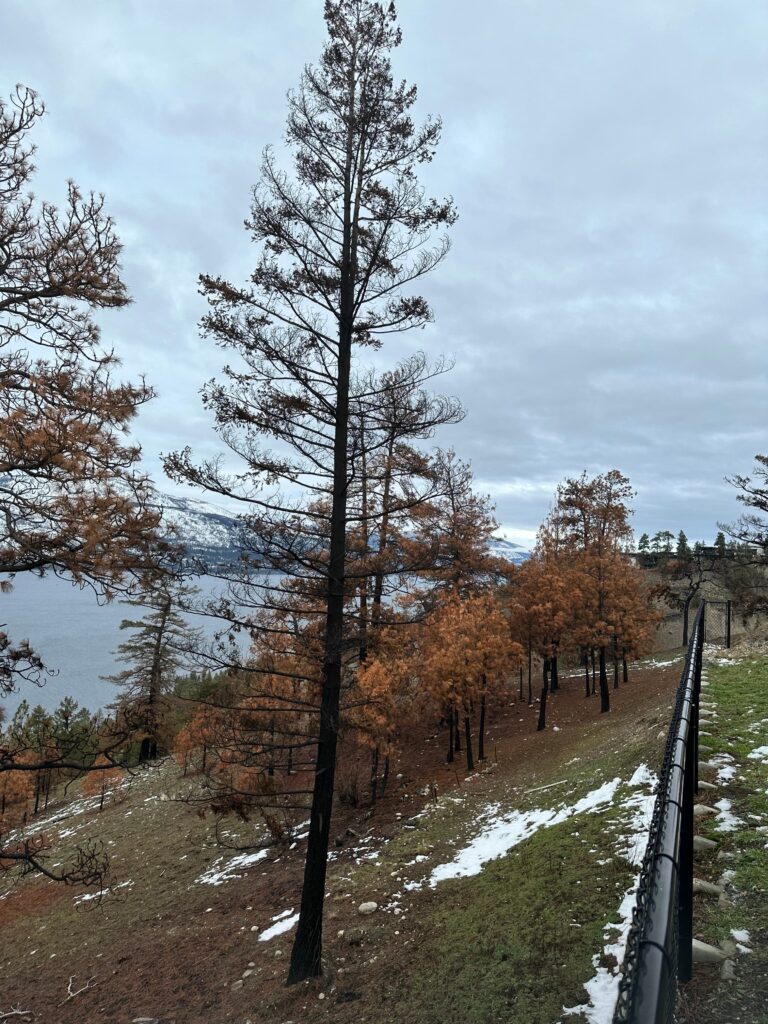
That distinction matters for both safety and cost. Not every tree with a defect needs immediate removal. Not every tree can be safely left standing either. Sometimes pruning can reduce load on a compromised branch union. Sometimes Tree Cable and Bracing may be considered as part of structural support. ISA exam material and guidance recognize structural support systems as part of tree risk mitigation, which tells you these are legitimate treatment options when used appropriately.
Still, support systems are not a magic fix. They do not erase underlying defects. They are one tool in a larger judgment call, and they work best when installed as part of a thoughtful management plan rather than as a last-minute attempt to avoid an unpopular removal. A company that presents cabling or bracing as a guaranteed answer to every defect is not showing careful judgment.
Emergency work is where safety culture is exposed
If you want to know whether a tree company takes safety seriously, look at how it handles Emergency Tree Services. Storm response creates pressure. Clients want access restored, branches off roofs, driveways cleared, and visible danger removed quickly. Those are legitimate needs. They also create the exact conditions where hasty decisions can lead to injury or property damage.
Emergency service restoration is recognized within arboriculture guidance because it requires a different tempo and different hazards from planned maintenance. Trees under storm load can be twisted, partially uprooted, or suspended in neighboring crowns. A limb that appears settled may still be storing energy. A trunk resting against another tree can shift as weight is released. Safe crews know that urgency does not eliminate process.
The best emergency teams I have observed have a calm rhythm. They secure the work zone, communicate clearly, and treat each cut as if the tree could move unexpectedly, because sometimes it does. They also know when conditions require waiting for the right equipment or a more specialized assessment. That restraint is easy to underestimate. Clients often feel the urgency in their driveway and want action immediately. A professional crew is willing to explain why the safest next step may be slower than the client hoped.
This is also a moment when Certified Arborist Consultation can be valuable. After the immediate hazard is addressed, the property owner still needs guidance about what remains. Should the tree be preserved, reduced, monitored, or removed? Can neighboring trees that absorbed impact stay in place safely? A good emergency response does not end with debris on the curb. It includes a sound recommendation for what happens next.
Stumps are part of the safety conversation too
Stump work rarely gets the same attention as climbing and rigging, but Stump Removal & Grinding belongs in a discussion of safe practices. Once the tree is gone, the site is not automatically hazard-free. A remaining stump can interfere with site use, future planting plans, or maintenance access. Grinding and removal work also require controlled operation and planning around the site.
Even on a job that looks straightforward, professional habits matter. The crew needs to manage the work area, consider nearby features, and complete the task without creating unnecessary damage or leaving a messy, unsafe finish. Homeowners sometimes regard stump work as an optional add-on with little complexity. In practice, it is another stage where trained operators and clear procedures make the result cleaner and safer.
The broader lesson is that tree work should be viewed as a complete process. Removal, cleanup, and stump treatment all affect the final safety and usability of the property.
Structural support has a place, but not every tree can be saved
Tree Cable and Bracing tends to be misunderstood by the public. Some people assume it is a cosmetic measure. Others think it is a permanent cure. It is neither. Structural support systems are recognized treatments used to help manage certain tree risks. They may support weak branch unions or reduce the chance of specific failures, particularly when paired with pruning and ongoing assessment.
A responsible arborist will not recommend cables or braces casually. The decision depends on the tree’s structure, the nature of the defect, and the level of exposure below. In some cases, support can preserve a valued tree while reducing risk. In others, the defect is too advanced or the consequences of failure too high, making removal the more prudent option.
That trade-off is one of the clearest examples of why safe work practices are not just about field technique. They are about honest decision-making. Saving a tree at all costs is not inherently professional. Neither is removing every tree that presents an imperfection. Good arboriculture sits in the middle, guided by risk, site conditions, and what can reasonably be managed over time.
FireSmart work still requires disciplined tree care
Some companies also offer FireSmart Tree Services. Where that service is part of a property plan, the same principles apply as with any other tree work. The work should be targeted, defensible, and carried out by trained personnel rather than handled as broad, rushed clearing. Safety is not improved by substituting haste for judgment.
That is worth stating because specialized service names can sometimes distract clients from basics. Whether the project is routine maintenance, selective pruning, removal, emergency response, or FireSmart Tree Services, the standard should remain the same: sound assessment first, appropriate treatment second, careful execution throughout.
What property owners should listen for when hiring
A homeowner does not need to know every technical detail of arboriculture to hire well. The more useful question is whether the company sounds like it follows a process or whether it talks only in terms of speed and price. Firms with strong safety habits usually explain why they are recommending a certain scope of work, what the likely alternatives are, and whether a certified arborist should assess the tree directly.
These are good signs during the hiring conversation:
- The company discusses assessment before action, especially for large or questionable trees.
- It can explain the difference between pruning, support, monitoring, and removal.
- It treats Emergency Tree Services as hazardous work requiring control, not just fast cleanup.
- It speaks clearly about proper pruning rather than offering topping or vague “cut it back” promises.
- It recognizes when Certified Arborist Consultation is necessary for risk evaluation and recommendations.
Notice what is absent from that list. There is no promise of a perfectly safe tree, because no honest professional can make that claim. There is no blanket assurance that every tree can be saved. There is no suggestion that any crew with a chainsaw can handle a large removal. Real professionalism sounds more measured than that.
The safest tree job is the one guided by judgment
The tree care industry sits at an awkward intersection of biology, physics, property management, and public safety. Trees are living structures, Tree Pruning & Crown Shaping not static building materials, and that is why the best tree companies think beyond the immediate task. Tree Removal Services are sometimes necessary, but they should follow assessment, not replace it. Tree Pruning & Crown Shaping can improve structure and reduce certain risks, but only when done with proper cuts and clear purpose. Emergency Tree Services demand urgency with discipline. Dangerous Tree Assessment and Removal require a systematic look at risk. Tree Cable and Bracing may help in specific cases, but tree pruning only as part of a thoughtful strategy. Even Stump Removal & Grinding benefits from trained operation and careful site management.
What ties all of those services together is not equipment. It is judgment. Safe work practices are the outward expression of that judgment, from the first inspection to the final cleanup. When a crew takes time to assess, explain, and control the work, it is doing more than protecting itself. It is protecting the tree when preservation is appropriate, the property when removal is necessary, and the people who live and move around the site every day.
That is the standard worth paying for.
Name: Ace Tree Services Ltd.
Address: 4656 Wallace Hill Road, Kelowna, BC
Phone: 250-212-9593
Website: https://acetree.ca/
Hours:
Monday: 7:00 AM–5:00 PM
Tuesday: 7:00 AM–5:00 PM
Wednesday: 7:00 AM–5:00 PM
Thursday: 7:00 AM–5:00 PM
Friday: 7:00 AM–5:00 PM
Saturday: 7:00 AM–5:00 PM
Sunday: Closed
Emergency tree services: 24/7 emergency service is listed.
Open-location code / Plus code: RHF8+8G Kelowna, British Columbia, Canada
Map/listing URL: https://www.google.com/maps/place/Ace+Tree+Services+Ltd./@49.8232606,-119.4337283,563m/data=!3m1!1e3!4m6!3m5!1s0x537d8b1d074815c5:0x450b88afa7a41435!8m2!3d49.8232606!4d-119.4337283!16s%2Fg%2F11ydkpnh22
Embed iframe:
Socials: https://www.facebook.com/people/Ace-Tree-Services/61585901931447/
https://m.yelp.com/biz/ace-tree-services-kelowna
Ace Tree Services Ltd. provides professional tree service for residential, commercial, and municipal customers in Kelowna and across the Okanagan Valley.
The company’s listed services include tree removal, stump removal and grinding, tree pruning and crown shaping, emergency tree services, certified arborist consultation, dangerous tree assessment, tree cable and bracing, and wildfire mitigation.
Ace Tree Services works with homeowners, businesses, property managers, and public-sector clients that need safe, practical tree care in the Kelowna area.
The official site highlights ISA-certified arborists, insurance, and experience handling both routine and complex tree service situations.
Customers can contact Ace Tree Services for tree care planning, hazard concerns, emergency tree cleanup, pruning needs, stump grinding, or advice about trees near homes, fences, driveways, and landscaping.
Ace Tree Services lists regular work hours from 7:00 AM to 5:00 PM Monday through Friday, with 24/7 emergency tree service available for urgent situations.
For tree service in Kelowna, call 250-212-9593 or visit https://acetree.ca/
The public map listing places Ace Tree Services Ltd. in Kelowna and can help customers find directions to the Wallace Hill Road area.
Popular Questions About Ace Tree Services Ltd.
What services does Ace Tree Services Ltd. provide?
Ace Tree Services Ltd. provides tree removal, stump removal and grinding, tree pruning and crown shaping, emergency tree services, certified arborist consultation, dangerous tree assessment and removal, tree cable and bracing, and wildfire mitigation.
Where is Ace Tree Services Ltd. located?
The official website lists Ace Tree Services Ltd. at 4656 Wallace Hill Road, Kelowna, BC.
What areas does Ace Tree Services Ltd. serve?
The official website describes Ace Tree Services as located in Kelowna and servicing the Okanagan.
What phone number should customers call?
Customers can call Ace Tree Services Ltd. at 250-212-9593.
What are Ace Tree Services Ltd.’s regular hours?
The official website lists work hours as 7:00 AM to 5:00 PM, Monday through Friday. Saturday and Sunday regular hours are not listed and should be confirmed directly.
Does Ace Tree Services Ltd. offer emergency tree service?
Yes. The official website lists 24/7 emergency services for urgent tree situations, including emergency tree removal, dangerous tree assessment, stabilization, and limb or branch cleanup.
Does Ace Tree Services Ltd. have certified arborists?
Yes. The official website states that Ace Tree Services has ISA-certified arborists.
Can Ace Tree Services Ltd. help with wildfire mitigation?
Yes. Wildfire mitigation is listed as one of the company’s tree services.
How do I contact Ace Tree Services Ltd.?
Call 250-212-9593 or visit https://acetree.ca/.
Landmarks Near Kelowna, BC
Wallace Hill Road: A local Kelowna road near the address listed for Ace Tree Services Ltd.
Okanagan Lake: A major Kelowna landmark near residential, commercial, and waterfront properties that may need tree pruning, removal, or hazard assessment.
Downtown Kelowna: A central area with homes, offices, rental properties, restaurants, and commercial sites that may need professional tree care.
Mission / Lower Mission: A well-known Kelowna area with mature landscaping, residential properties, and lake-adjacent homes.
South East Kelowna: A rural and residential area with larger properties, orchards, and tree-care needs that can include pruning, removals, and wildfire mitigation.
Crawford: A residential area near the southeast side of Kelowna where homeowners may need tree trimming, hazard assessment, and stump grinding.
Kettle Valley: A hillside residential neighborhood where tree condition, slope, wind exposure, and defensible-space planning can matter for property owners.
Myra-Bellevue Provincial Park: A major outdoor landmark near southeast Kelowna and a useful point of orientation for nearby properties.
Gallagher’s Canyon: A residential and golf community near southeast Kelowna where tree maintenance and wildfire-conscious vegetation management can be practical concerns.
Orchard Park Shopping Centre: A major central Kelowna retail landmark and reference point for customers traveling across the city.
Highway 97: A major Kelowna corridor connecting neighborhoods, commercial properties, and service routes throughout the region.
Kelowna City Park: A recognizable central landmark near downtown neighborhoods and lakefront properties.
Glenmore: A Kelowna neighborhood with residential and commercial properties that may need pruning, storm cleanup, and general tree care.
Rutland: A large residential and commercial area where customers may need tree removal, pruning, stump grinding, or arborist consultation.
Black Mountain: A hillside community where slope, wind, wildfire exposure, and access can influence tree service planning.
For tree service near these Kelowna landmarks, contact Ace Tree Services Ltd. at 250-212-9593 or visit https://acetree.ca/